Hotels in Tartagal
Tartagal is a Salta province town near the Bolivian border, built up around Argentina's oil industry along Ruta Nacional 34. Its hotels serve a working corridor rather than a resort circuit, in a low subtropical corner of the province that feels closer to the Chaco than to Andean Salta.
Hotels in Tartagal serve a different crowd than the postcard Salta circuit further south: oil-sector workers, agronomists, NGO staff and overlanders following Ruta Nacional 34 toward the Bolivian border crossing at Salvador Mazza. The town grew up around YPF operations, and that working history still shapes what's on offer here, practical rooms with strong air-conditioning against Chaco-Yungas humidity, rather than boutique extras. Families and business travellers passing through the Yungas transition zone find enough comfort for an overnight stop or a longer stay, and rates run noticeably lower than in Salta city. Where you sleep matters more than what you photograph here.
Tartagal in numbers
3 hotels
How we rank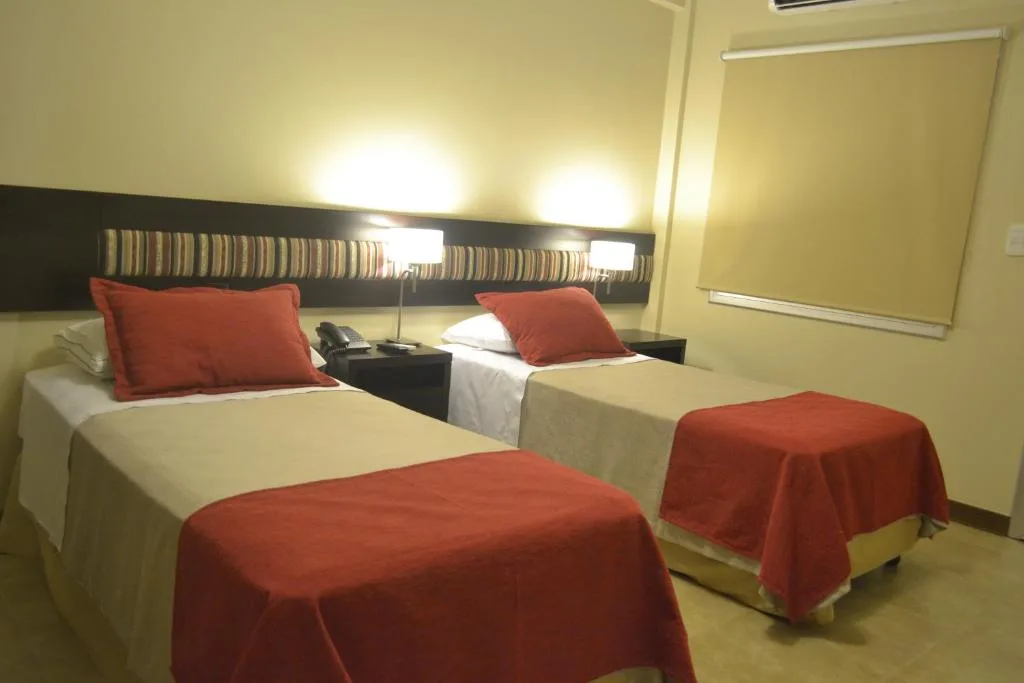 4.4Guest score
Almuñecar Hotel
Central, practical comfort on the Ruta 34 corridor
Why guests love itWhat stands out about a stay at Almunecar Hotel is how little friction there is: check-in is straightforward, the room's air-conditioning copes well with Tartagal's Chaco-Yungas humidity, and the tour desk actually helps rather than just pointing at a rack of leaflets. Breakfast is a simple buffet rather than anything elaborate, which suits a working stop more than a holiday. Families travelling with the tagged family rooms get private bathrooms and enough space without paying for facilities they won't use.
 4.2Guest score
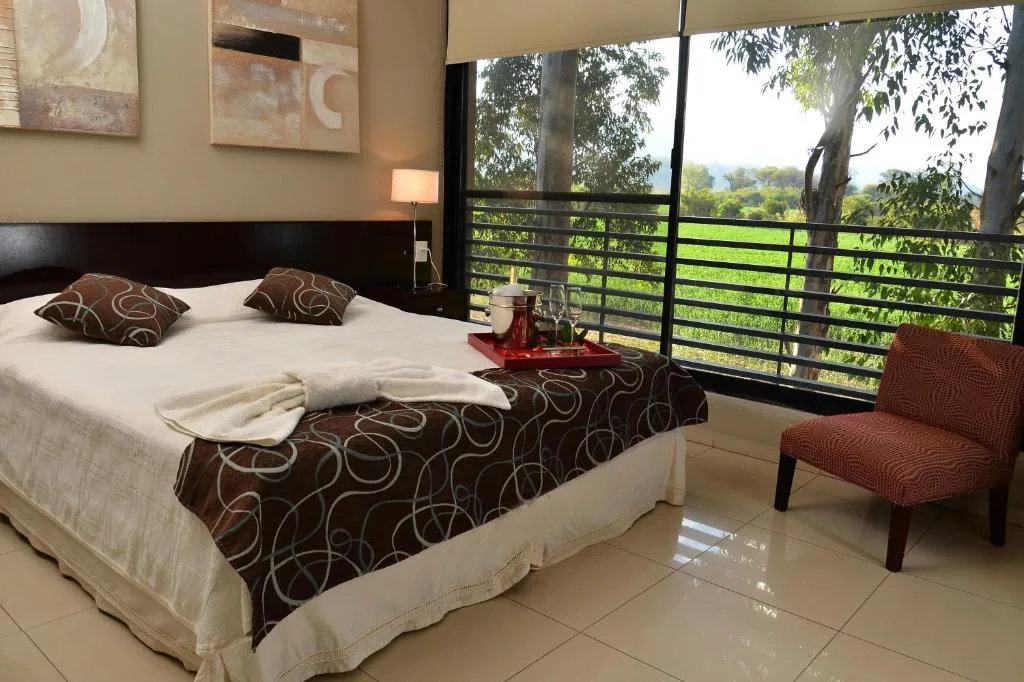
La Wet
Self-catering comfort with a pool for the Chaco heat
Why guests love itThe kitchenette is what makes La Wet worth choosing over a standard Tartagal hotel room: cooking dinner after a long Ruta Nacional 34 stretch beats waiting on restaurant hours built around oil-sector shift patterns. The pool and sun terrace add a genuine leisure element that a working-town aparthotel doesn't have to offer but does here, and the hot tub is a welcome option once the Chaco-Yungas humidity eases in the evening. Free parking and a pet-friendly policy round out a property built for longer, practical stays.
 4.1Guest score
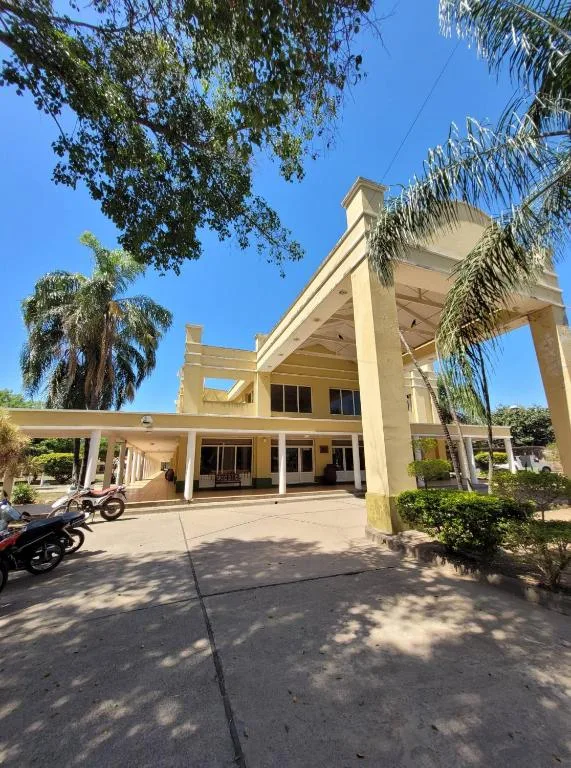
Hotel Pórtico Norte
Indoor pool and wellness centre in a working oil town
Why guests love itThe indoor pool is the reason to choose Hotel Portico Norte over the rest of Tartagal's hotel stock: swimming isn't dependent on the Chaco-Yungas afternoon heat easing off, which matters more here than it would in a cooler climate. The sauna and steam room afterward feel like a genuine extra rather than a marketing add-on, and having a restaurant and bar on-site means evenings don't depend on Tartagal's limited dining hours. It's the closest thing to a full-service resort stay this working oil town has to offer.
What to expect
- Ruta Nacional 34 corridor toward the Bolivian border
- Subtropical Chaco-Yungas climate, hot and humid
- Practical, working-town hotels rather than resort extras
- Noticeably lower rates than Salta city
- Regional airport (Aeropuerto de Tartagal) for onward flights
Local tips
- Book air-conditioning as a must, not a nice-to-have. Tartagal's Chaco-Yungas humidity sits heavier than the dry heat of Andean Salta, and rooms without it turn uncomfortable fast after midday.
- Plan around Ruta Nacional 34 travel times if you're continuing toward the Bolivian border at Salvador Mazza. Fuel and rest stops thin out north of town, so top up before leaving.
- Expect a working town, not a tourist one. Hotel choice here leans practical, oil-sector and transport crews are common guests, and rooms prioritise reliability over design flourishes.
- Ask about breakfast timing if you're catching an early Ruta 34 bus or a flight from Aeropuerto de Tartagal, since some kitchens open later than early departures require.
- Pack for humidity, not altitude. Tartagal sits in the Yungas lowlands, so leave the cold-weather layers packed for the high Andean stretches of a Salta itinerary.
- Compare rates against Salta city before booking a longer stay. Tartagal's working-town pricing runs noticeably lower, which matters on a multi-region trip through the north.
Where to stay
FAQ
Where is Tartagal located in Argentina?
Tartagal sits in Salta province's General San Martin department, in the country's far north near the Bolivian border. It lies in the Chaco-Yungas transition zone, a subtropical lowland corner of Salta province quite different from the high-altitude Andean landscapes most travellers associate with the region.
What kind of hotels does Tartagal have?
Tartagal's hotels are practical rather than boutique, shaped by decades as a working oil town. Expect air-conditioned rooms, straightforward breakfasts, and staff used to transport crews and business travellers, with a handful of properties adding pools or wellness facilities for longer stays.
Is Tartagal a good stop toward the Bolivian border?
Yes. Tartagal sits directly on Ruta Nacional 34, the main road corridor north toward the Salvador Mazza border crossing, making it a practical overnight stop for travellers continuing into Bolivia or arriving from it before heading further south into Salta province.
What is the best time of year to visit Tartagal?
The cooler, drier months outside the subtropical wet season are most comfortable, since Tartagal's Chaco-Yungas humidity climbs hard in summer. Air-conditioning matters year-round here more than it does in the drier, higher-altitude parts of Salta province.
How do travellers usually reach Tartagal?
Most travellers arrive by road along Ruta Nacional 34, the corridor linking Salta city to the Bolivian border, or by air through the regional Aeropuerto de Tartagal, which handles domestic connections rather than international routes.
Are Tartagal hotel rates cheaper than Salta city?
Generally yes. Tartagal's hotel market serves a working, transit-focused crowd rather than a tourist one, and rates tend to run lower than the more visited Salta city circuit further south, especially outside the busiest oil-sector travel periods.